
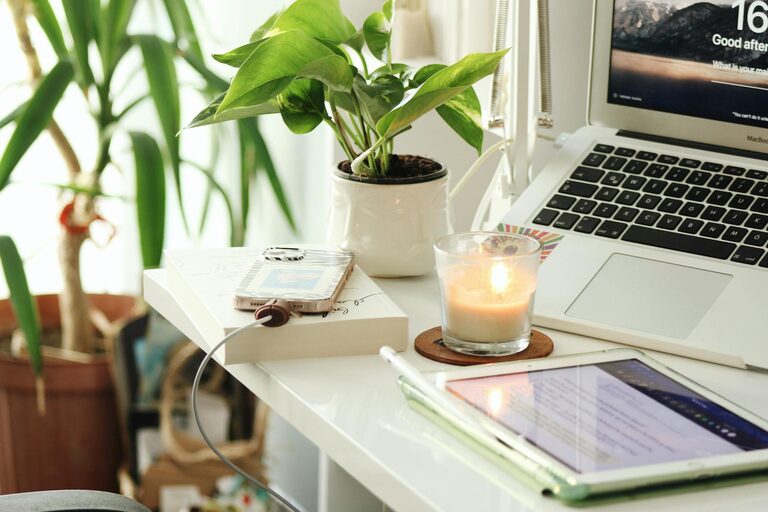
Creating a home office that balances relaxation and productivity is key to enjoying your work-from-home experience. A well-designed workspace can help reduce stress, enhance focus, and make daily tasks more enjoyable. Whether you have a dedicated room or a small corner in your living space, these tips will guide you through building an environment that supports your best work.
Choose the Right Location
Finding the ideal spot for your home office is the first step. Look for an area that offers natural light and minimal distractions. If possible, pick a separate room or a quiet corner away from household noise and high traffic areas.
Benefits of natural light
Natural light not only helps reduce eye strain but also improves mood and energy levels. Position your desk near a window to take advantage of daylight, but consider adjustable blinds or curtains to control glare on your screens.
Invest in Ergonomic Furniture
Comfort is crucial for staying productive and avoiding physical discomfort.
– Ergonomic chair: Select a chair that supports your back well and allows your feet to rest flat on the floor.
– Adjustable desk: If possible, use a desk where you can switch between sitting and standing positions to enhance circulation and reduce fatigue.
– Monitor height: Position your monitor so the top of the screen is at eye level to maintain good posture.
Declutter and Organise
Clutter can overwhelm the mind and distract you from tasks. Keep your workspace tidy by following these tips:
– Use storage solutions like shelves, drawers, or organisers to keep supplies out of sight but accessible.
– Limit your desk contents to essentials: computer, notebook, writing tools, and perhaps a plant.
– Develop a daily routine to clear your desk at the end of each workday.
Create a Calming Colour Scheme
Colours influence mood and focus. Choose calming tones such as soft blues, greens, or neutrals to foster relaxation while working. Avoid overly bright or harsh colours that might cause visual fatigue or agitation.
Add personal touches
Incorporate items that make your office feel welcoming but do not cause distractions. A few photos, a favourite mug, or a small plant can add personality and comfort.
Manage Noise Effectively
Noise can be a major productivity killer or stress inducer. Depending on your environment, consider:
– Quiet background music or white noise machines to mask disruptive sounds.
– Noise-cancelling headphones if your surroundings are unpredictable.
– Soundproofing options like rugs, curtains, or acoustic panels to reduce echo and outside noise.
Optimise Lighting Beyond Natural Sources
Good lighting is vital, especially during darker months or late working hours.
– Use a desk lamp with adjustable brightness and colour temperature to reduce eye strain.
– Avoid overhead lights that cause shadows or glare on your screens.
– Position lighting to illuminate your workspace evenly.
Encourage Movement and Breaks
Sitting for long periods can impact productivity and health. Try these strategies:
– Schedule short breaks every hour to stand, stretch, or walk around.
– Use reminders or apps to help you step away from your desk.
– Consider incorporating simple stretches or breathing exercises to refresh your mind.
Control Temperature and Air Quality
A comfortable temperature and fresh air contribute to better concentration.
– Maintain a room temperature between 18–22°C for optimal comfort.
– Open windows regularly or use an air purifier to keep air fresh.
– Consider adding a small fan or heater if needed depending on your environment.
Utilise Technology Wisely
Technology can help or hinder productivity based on how it is used.
– Keep essential software and tools up to date for smooth workflow.
– Use cable management solutions to avoid tangled cords cluttering your desk.
– Limit notifications from non-work apps during work hours to stay focused.
Set Clear Boundaries
Especially when working from home, it’s important to separate work time from personal time.
– Inform family members or housemates about your work hours to minimise interruptions.
– Dress in work-appropriate clothes to mentally switch into work mode.
– End your day by shutting down your computer and tidying your workspace to create a clear finish.
Conclusion
Designing a home office that fosters both relaxation and productivity takes some planning, but the benefits are well worth the effort. By choosing the right location, investing in ergonomic furniture, managing lighting and noise, and maintaining organisation, you create an atmosphere conducive to focused and stress-free work. Remember, small changes can make a big difference in how you feel and perform each day.
Creating a personal and pleasant workspace encourages not only better work output but also a healthier approach to work-life balance.
Happy working!