Creating a cosy and inviting living room is a wonderful way to ensure your home feels warm and welcoming to both family and guests. Whether you use this space for relaxing after a long day or entertaining friends, a well-designed living room can enhance comfort and style. Here are some practical tips on how to transform your living room into a comfortable haven.
1. Choose a Warm Colour Palette
Colour sets the mood of any room, so start by selecting warm, soothing tones that invite relaxation. Soft neutrals like beige, taupe, and cream create a gentle backdrop, while earthy colours such as terracotta, warm greys, and muted greens add richness without overwhelming the space.
Using layers of colour through cushions, throws, and artwork can provide depth and interest. Consider painting one wall in a slightly deeper or contrasting shade to create a focal point, which adds character and warmth.
2. Invest in Comfortable Seating
Comfort is key in a cosy living room. Choose sofas and armchairs with plush cushions and soft upholstery fabrics like velvet, chenille or linen. If space allows, include a mix of seating options—a large sofa, a couple of armchairs, or even a chaise lounge to encourage relaxation.
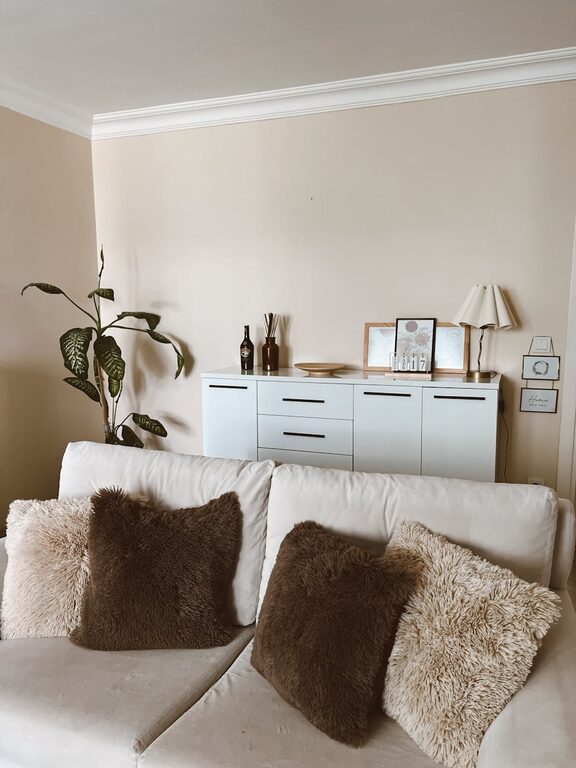
Adding a few extra cushions and a soft throw blanket can make seating areas even more inviting. Opt for cushions in varied textures and patterns, but keep the colour scheme harmonious to maintain a calm atmosphere.
3. Layer Your Lighting
Lighting plays a vital role in creating a welcoming space. Avoid harsh overhead lights by combining different sources of light to add warmth and flexibility.
– Ambient lighting: Use soft ceiling lights or pendant lamps with dimmers.
– Task lighting: Add table lamps or floor lamps near seating areas for reading or hobbies.
– Accent lighting: Consider fairy lights, candles, or wall sconces to create a cosy glow.
Using warm-toned bulbs rather than cool white ones helps the room feel softer and more inviting.
4. Add Textiles for Texture and Warmth
Textiles bring softness and texture, which are essential for making a living room feel cosy. Rugs, curtains, cushions, and throws all contribute to a layered, tactile environment.
– A large area rug can anchor the room and create a sense of togetherness.
– Heavy curtains or lined drapes add insulation as well as softness.
– Mixing textures like wool, faux fur, and knitted fabrics adds interest without cluttering the room.
Keep the textiles in colours and patterns that complement your overall design for a cohesive look.
5. Personalise with Accessories and Art
Your living room should reflect your personality. Personal touches can make the room feel lived-in and loved.
– Display cherished items such as photo frames, travel souvenirs, or heirlooms.
– Use artwork, prints, or framed photos to add colour and character to walls.
– Choose decorative objects that fit your style, from modern minimalistic to vintage rustic.
Be careful not to overcrowd surfaces; aim for a balance between decoration and open space.
6. Incorporate Natural Elements
Bringing nature indoors helps create a calm and inviting atmosphere. Plants breathe life into your living room and improve air quality.
– Select low-maintenance houseplants like snake plants, pothos, or peace lilies.
– Use natural materials like wooden furniture, wicker baskets, or stone accessories.
– Fresh flowers in a simple vase can instantly brighten the space.
Natural elements also add texture and colour, strengthening the homey feel.
7. Keep Clutter to a Minimum
A tidy space feels more relaxing and inviting. Make use of smart storage solutions to keep everyday items organised.
– Use stylish storage boxes or baskets to hide away remote controls, magazines, and toys.
– Choose furniture pieces with built-in storage like ottomans or coffee tables with a shelf.
– Regularly declutter to maintain a neat environment that promotes calm.
Remember, less is more when it comes to creating a peaceful living room.
8. Create Zones for Different Activities
If your living room is large enough, consider dividing the space into different zones:
– A cosy reading nook with a comfortable chair and a lamp.
– A main seating area around the TV or fireplace.
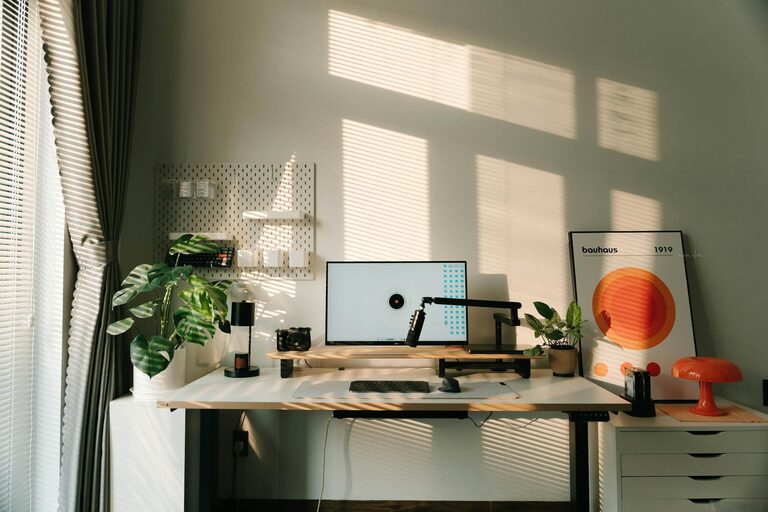
– A small workspace or hobby area with a desk or table.
Defining zones helps maximise the function of your room without overcrowding. Use rugs or furniture arrangement to subtly separate areas.
—
Transforming your living room into a cosy and inviting space doesn’t require a complete overhaul. With thoughtful choices around colour, furniture, lighting and personal touches, you can create a comfortable sanctuary that welcomes you each day and impresses your guests. Remember, the most important thing is that your living room reflects your style and feels like home.