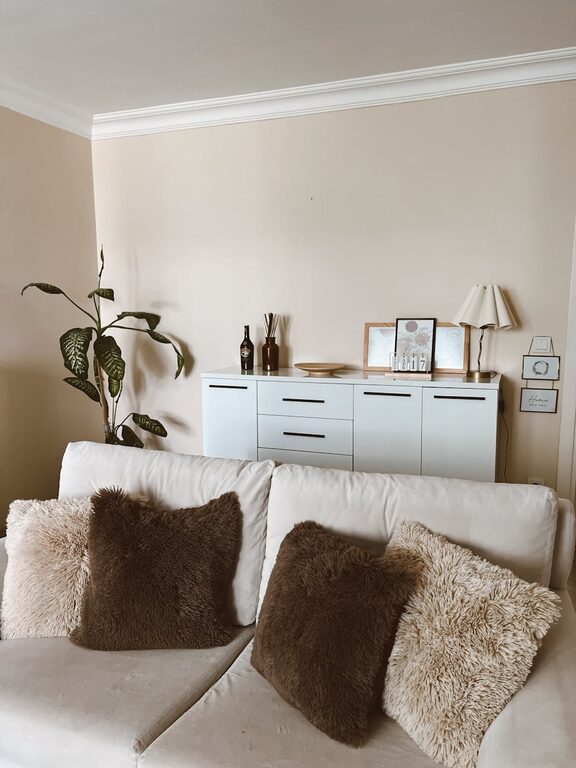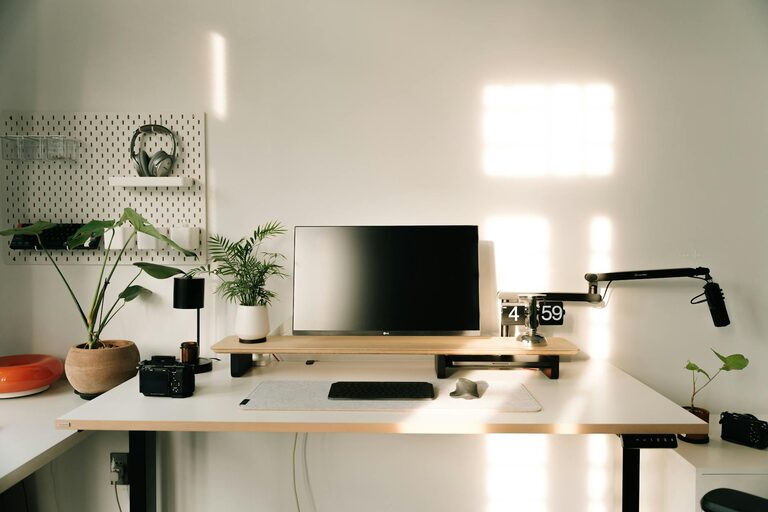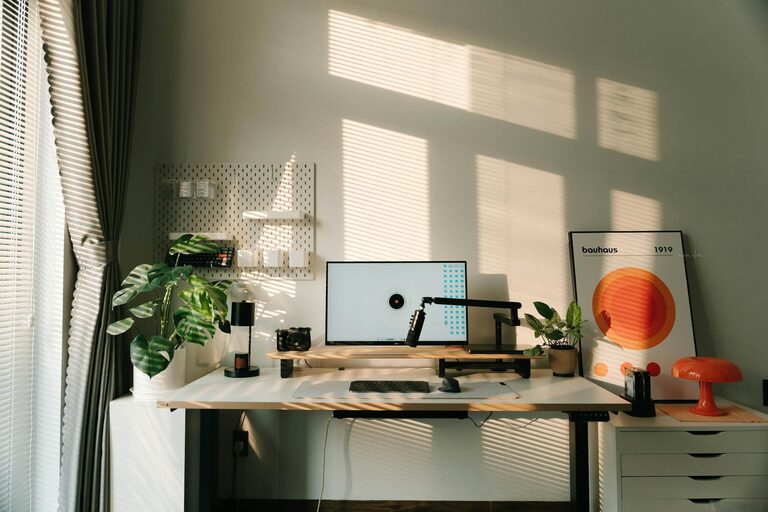
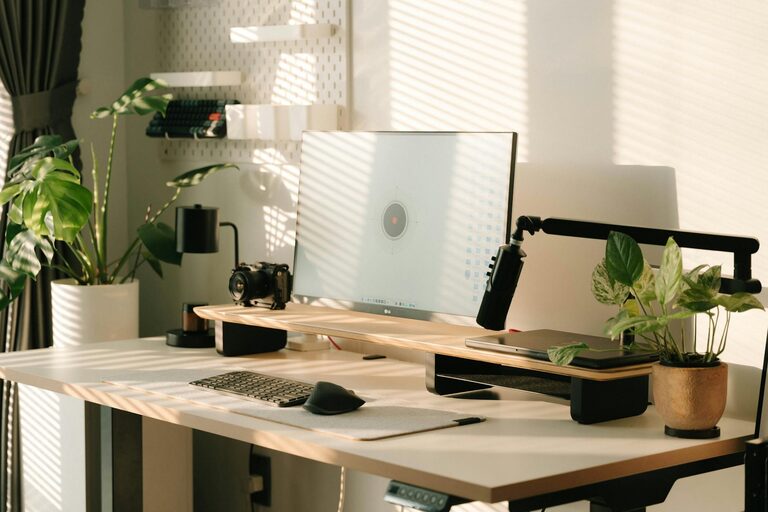
Creating a productive home workspace is essential for staying focused and motivated, especially as more people work from home. A well-designed environment can improve your efficiency, reduce stress, and even enhance your overall wellbeing. Whether you have a dedicated room or a small corner for your workstation, the following tips will help you create a space that supports your best work.
Choose the Right Location
The first step is selecting an area that suits your work style and routine. Ideally, this should be a quiet spot away from distractions such as television, noisy family areas, or busy hallways.
Consider natural light
Natural light not only brightens the space but also regulates your mood and energy. Position your desk near a window if possible, but avoid direct glare on your screen.
Think about comfort and access
Ensure the spot has enough room for your equipment and allows easy access without interrupting daily household flow. A tucked-away nook can be peaceful, but don’t sacrifice convenience for solitude.
Invest in Ergonomic Furniture
An ergonomic setup reduces physical strain and long-term discomfort, which is crucial when spending extended hours working.
– Chair: Choose an adjustable chair with good lumbar support. Your feet should rest flat on the floor, and your knees level with or slightly below your hips.
– Desk: Find a desk at the right height for you or one with adjustable features. Your forearms should rest comfortably when typing.
– Monitor position: Place your screen at eye level and about an arm’s length away to prevent neck and eye strain.
Keep Your Workspace Clutter-Free
A tidy environment promotes focus and reduces anxiety. Here are some techniques to maintain organisation:
– Use storage containers or shelves to keep supplies and documents out of sight but within reach.
– Regularly clear your desktop to only essential items.
– Implement a filing system — whether digital or physical — to handle paperwork efficiently.
– Consider daily or weekly decluttering sessions to maintain order.
Control Lighting and Noise Levels
Proper lighting and noise control greatly impact your ability to concentrate.
Lighting tips
– Use a combination of natural light, overhead lamps, and task lighting to avoid harsh shadows and glare.
– Consider a desk lamp with adjustable brightness and colour temperature for late work sessions.
Noise management
– Use noise-cancelling headphones or white noise apps if background noise is a problem.
– Soft furnishings like rugs and curtains can absorb sound and reduce echo.
– Inform household members of your work hours to minimise interruptions.
Personalise Your Space
Adding personal touches can make your workspace more inviting and motivating.
– Use artwork, photos or plants to create a pleasant atmosphere.
– Choose colours that help you feel relaxed yet focused, such as soft blues or greens.
– Incorporate items that inspire you, like motivational quotes or your favourite books.
Establish Boundaries and Routines
A home workspace benefits from clear boundaries to separate work from leisure.
– Designate your workspace as a ‘work only’ zone to signal to your brain when it’s time to focus.
– Set regular working hours and breaks, mirroring traditional office routines.
– Communicate these hours to family or housemates to reduce distractions.
Utilise Technology Wisely
Supporting your workspace with the right technology can enhance your productivity.
– Invest in reliable internet and backup options to avoid connectivity issues.
– Use organisational tools such as calendars, to-do lists, and productivity apps.
– Keep cables tidy with clips or cord organisers to avoid clutter.
Pay Attention to Comfort and Wellbeing
Lastly, your comfort and wellbeing are fundamental to productivity.
– Keep water nearby to stay hydrated.
– Take short breaks to stand, stretch or move around regularly.
– Maintain good air quality by ventilating the room or adding plants that improve air purity.
—
Creating a productive home workspace involves thoughtfulness and a bit of trial and error to discover what works best for you. By paying attention to location, furniture, lighting, organisation, and your own comfort, you can build an environment that supports your productivity and wellbeing effectively.