
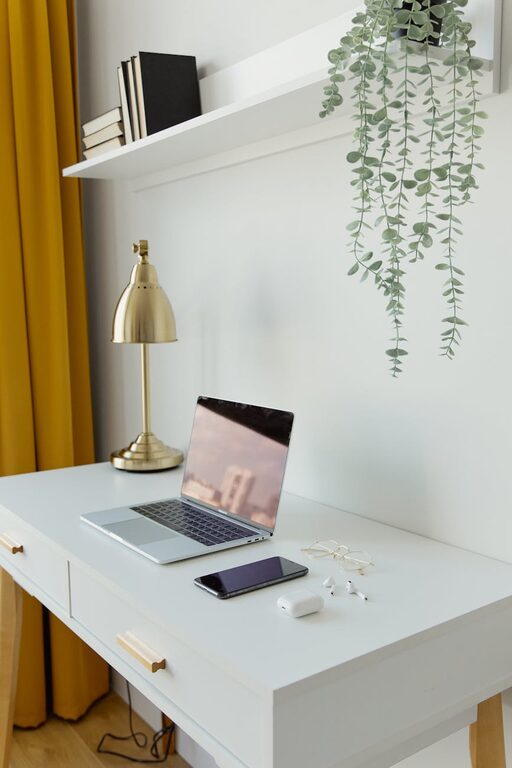
Creating an organised and clutter-free home office is essential for maintaining focus, enhancing productivity, and making work from home a more enjoyable experience. Whether you have a dedicated room or a small corner, a few thoughtful adjustments can transform your workspace. Here are effective tips to help you set up and maintain a clutter-free home office.
Why a Clutter-Free Office Matters
Before diving into organisation tips, it’s helpful to understand why keeping your office tidy is so important. A cluttered workspace often leads to distractions, stress, and wasted time searching for items. On the other hand, a clean and orderly environment:
– Encourages clearer thinking
– Saves you valuable time
– Enhances motivation
– Creates a professional atmosphere, even at home
With the right setup and habits, you can enjoy these benefits every working day.
1. Choose the Right Space and Furniture
Select a Dedicated Workspace
If possible, select a quiet corner or room solely for work. A dedicated area helps your brain associate the space with focused activities.
Invest in Practical Furniture
– Desk: Opt for a desk with enough surface area for your computer and documents but not so large that it encourages unnecessary accumulation.
– Storage units: Choose filing cabinets, shelves, or drawers nearby to keep items organised and within reach.
– Ergonomic chair: Comfort supports productivity, so invest in a chair that supports good posture.
2. Declutter Regularly
Clear Your Desk Daily
At the end of each day, clear your desk of papers, stationery, and other items. This resets your workspace and prepares you for a fresh start.
Sort and Dispose of Unneeded Items
Go through your drawer and shelves at least once a month. Recycle papers you no longer need, donate items you don’t use, and safely discard faulty electronics or cables.
3. Use Smart Storage Solutions
Labelled Containers and Drawers
Keep small items like pens, chargers, and sticky notes in separate labelled containers or drawers. This reduces time spent hunting for things.
Vertical Storage
Use wall-mounted shelves or pegboards to store supplies up and off your desk surface, making your workspace feel larger and less crowded.
Filing Systems
Create a clear, simple filing system for paperwork. Use folders labelled by category or project and store them in cabinets or portable boxes.
4. Manage Cables and Electronics
Tangled cables create not only visual clutter but can also be a hassle to manage.
– Use cable organisers or clips to keep cords tidy.
– Consider wireless devices where possible.
– Label cables for easy identification.
– Place a power strip in an accessible but inconspicuous spot.
5. Keep Digital Files Organised
Physical clutter is just one part of the puzzle. Managing your digital workspace is equally important.
– Create clearly named folders for documents.
– Regularly delete or archive files you no longer need.
– Use cloud storage to back up important files and free up device space.
6. Incorporate Personal Touches Thoughtfully
While personalising your workspace is important for comfort, avoid overcrowding surfaces with too many items.
– Choose a few favourite photos or plants.
– Use a tidy desk calendar or a minimalist clock.
– Keep decorations simple and functional.
7. Establish Daily and Weekly Routines
Daily Habits
– Make your bed and tidy your office at the day’s end.
– Sort mail or documents immediately rather than piling them up.
– Take a few minutes to put away stationery and gadgets.
Weekly Habits
– Deep clean your workspace, including wiping surfaces and emptying bins.
– Re-evaluate your storage and organisation; adjust where needed.
– Backup digital files consistently.
8. Use Lighting and Colour to Enhance the Space
Good lighting reduces eye strain and helps keep your environment inviting.
– Where possible, position your desk near a window for natural light.
– Use adjustable task lighting for precision work.
– Choose calming colours like soft blues or greens for walls or accessories to promote focus.
Conclusion
Organising a clutter-free home office doesn’t require a large budget or extreme effort, but consistency and attention to detail make a significant difference. By selecting the right furniture, regularly decluttering, using smart storage, and maintaining good habits, you’ll create a workspace that not only looks good but helps you work better too. Give these tips a try and enjoy the benefits of a tidy, inspiring home office every day.