Creating a relaxing home office environment is essential for maintaining focus and reducing stress while working from home. A thoughtfully designed workspace can boost creativity, improve your mood, and help you separate work life from personal life. Whether you have a dedicated room or a small corner for your office, there are plenty of ways to transform it into a peaceful and comfortable area.
In this post, we’ll explore practical tips to help you create a calming home office that suits your needs.
Choose the Right Location
The first step to creating a relaxing home office is selecting the ideal spot.
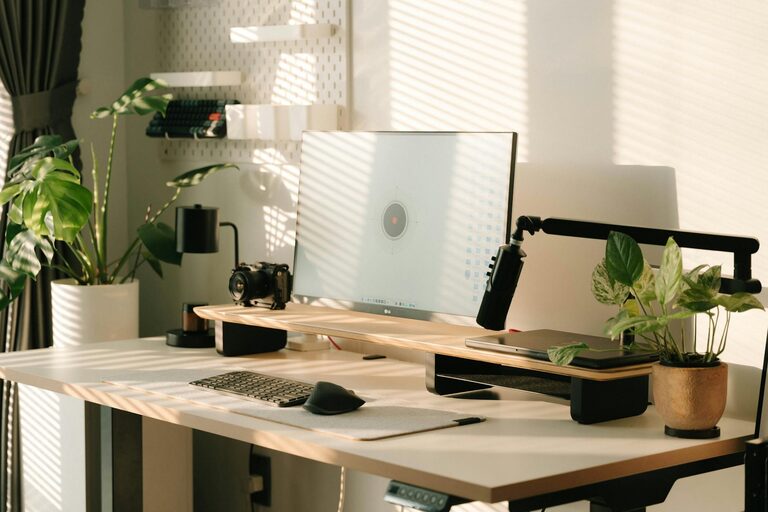
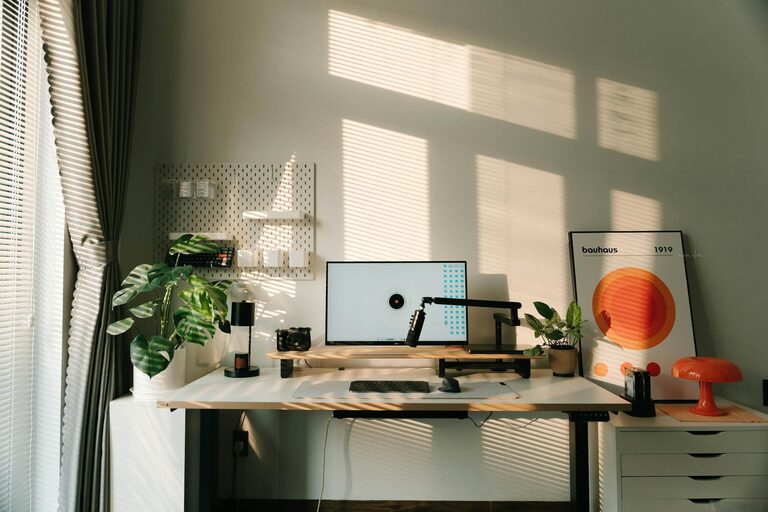
– Natural Light: If possible, pick a room or area with plenty of natural light. Daylight helps regulate your body clock and can improve mood and alertness. Position your desk near a window, but avoid glare on your computer screen.
– Quiet Space: Find a quiet corner where you can concentrate without frequent interruptions. Consider using noise-cancelling headphones or a white noise machine if background noise is unavoidable.
– Separate from Living Areas: If space allows, choose a spot that’s physically separate from busy living zones to help mentally differentiate work time from relaxation time.
Invest in Comfortable and Functional Furniture
Comfort is key for a relaxing work environment.
– Ergonomic Chair: Choose a supportive chair that promotes good posture and reduces back strain. An adjustable chair allows you to tailor height and back support.
– Desk Space: Ensure your desk is spacious enough to hold all essentials without clutter. Adjustable desks that allow you to sit or stand can provide variety and prevent stiffness.
– Storage Solutions: Use shelves, drawers, or filing cabinets to keep documents and office supplies organised. A tidy space reduces stress and makes it easier to focus.
Personalise Your Workspace
Adding personal touches helps make your home office inviting and motivating.
– Colours: Soft, muted colours tend to create a calming atmosphere. Shades of blue, green, or beige are popular choices. You can also add splashes of your favourite colours through accessories or decorations.
– Plants: Indoor plants improve air quality and bring a natural element to your office. Easy-care plants like succulents or spider plants can be great additions.
– Inspirational Items: Photographs, artwork, or quotes that inspire you can help boost morale.
Manage Lighting Effectively
Good lighting reduces eye strain and creates a pleasant atmosphere.
– Layered Lighting: Combine ambient lighting with task lighting. Use a desk lamp for focused work and overhead lighting to brighten the room overall.
– Adjustable Brightness: Consider lamps with adjustable brightness or colour temperature so you can modify lighting throughout the day.
– Avoid Harsh Lights: Harsh fluorescent lights can cause discomfort and stress. Aim for softer, warmer light sources where possible.
Keep Technology and Cables Organised
Messy cables and tech clutter can be distracting and increase stress levels.
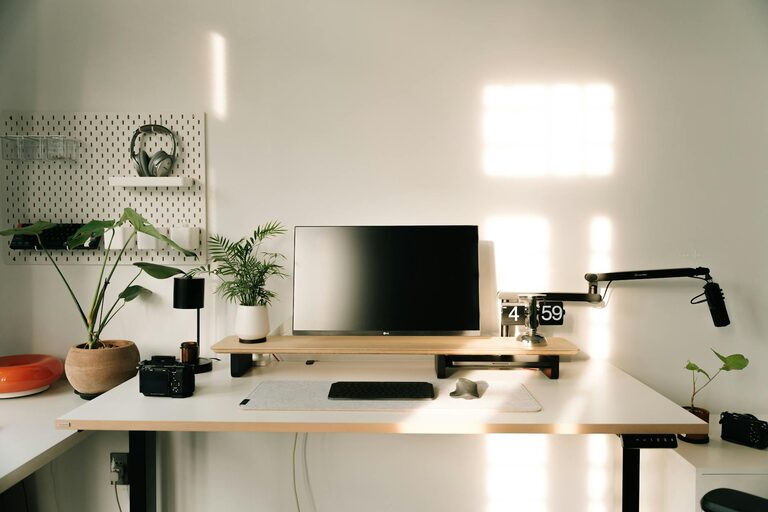
– Cable Management: Use cable clips, sleeves, or trays to keep cords tidy and out of sight.
– Essential Devices Only: Limit the number of devices on your desk to what you actually need. Store extras away.
– Regular Maintenance: Keep your devices clean and software up-to-date to avoid technical glitches that disrupt your workflow.
Incorporate Relaxation Elements
Adding elements that promote relaxation can make breaks more effective and your workspace more inviting.
– Aromatherapy: A subtle diffuser with calming scents like lavender or eucalyptus can help reduce anxiety.
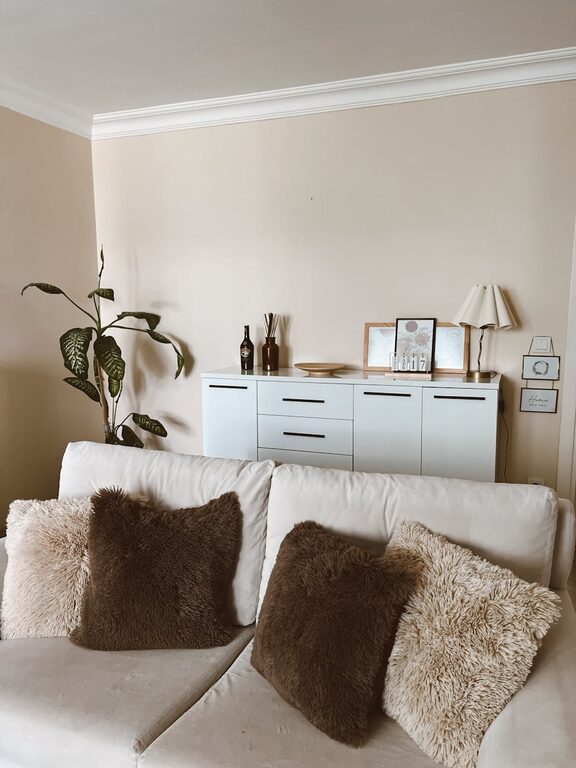
– Comfort Items: A cosy blanket, cushions, or a footrest can make long hours at your desk more pleasant.
– Break Area: If space allows, create a small area nearby with a comfy chair for short breaks or brainstorming sessions.
Maintain Cleanliness and Organisation
A clean, organised space fosters a calm, productive mindset.
– Routine Tidying: Set aside a few minutes daily to clear your desk and file paperwork.
– Declutter Regularly: Remove items you no longer need or use. A clutter-free environment reduces distractions.
– Use Organisers: Desk trays, pen holders, and drawer dividers can keep essentials neat and accessible.
Establish Boundaries and Routine
A relaxing home office supports a healthy work-life balance.
– Defined Work Hours: Set clear start and finish times to avoid overworking.
– Dedicated Work Zone: Use your office space only for work activities to help your brain associate it with productivity.
– Regular Breaks: Incorporate short breaks to stretch, walk, or practice relaxation techniques like deep breathing.
Consider Sound and Smell
Sensory elements can greatly affect your comfort and focus.
– Sound: Calm background music or nature sounds can aid concentration. Alternatively, silence may work best for some.
– Smell: In addition to aromatherapy, keep your space fresh by airing it regularly.
—
By implementing these tips, you can create a home office that not only meets your functional needs but also supports your well-being and productivity. Remember, the key is to tailor your environment to your preferences and requirements, making it a place where work feels less like a chore and more like a comfortable, enjoyable part of your day.