Creating a relaxing home office environment is essential for maintaining focus, reducing stress, and enjoying a comfortable workday. Whether you’re working remotely full-time or just need a quiet space to catch up on tasks, your workspace should help you feel calm and motivated. Here are practical tips to help you design a home office that supports both productivity and relaxation.
Choose the Right Location
Picking the perfect spot for your home office is the first step. Ideally, select a quiet area with minimal distractions. A spare room is great, but if you don’t have that option, a dedicated corner in a living room or bedroom can work well. Make sure the space has good natural light and ventilation, both of which promote comfort and alertness.
If noise is an issue, consider using noise-cancelling headphones or adding soft furnishings like rugs and curtains to help absorb sound.
Invest in Comfortable Furniture
Your furniture has a direct impact on your comfort. Invest in a good quality ergonomic chair that supports your back and encourages proper posture. Sitting for long hours can cause strain, so adjustable chairs and desks are worth considering.
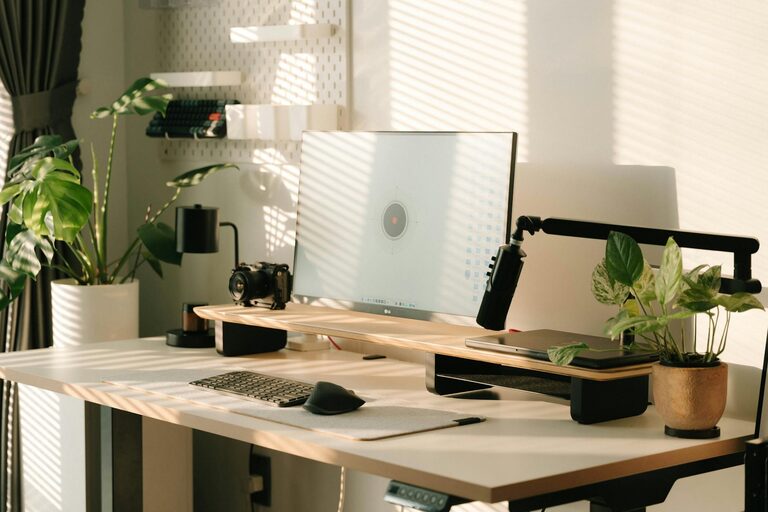
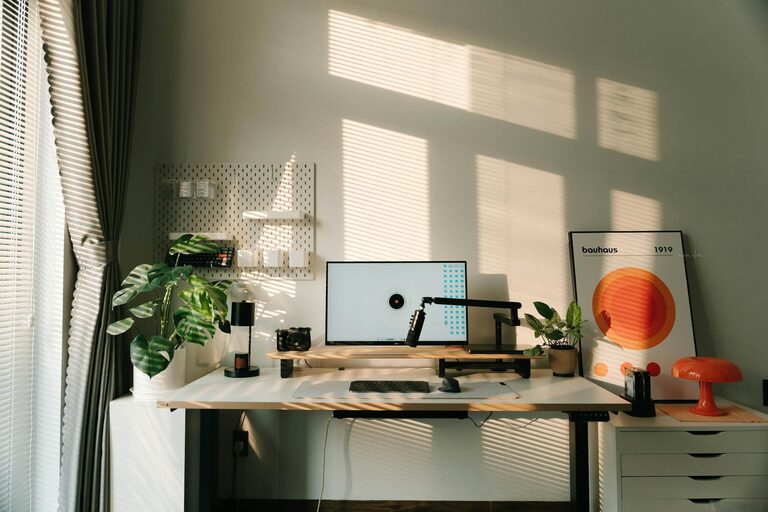
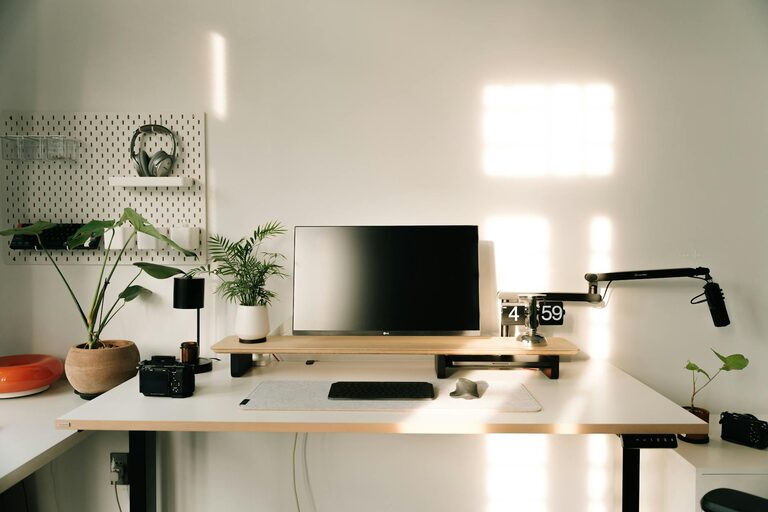
If possible, try a sit-stand desk option to change positions throughout the day. Pair your desk with adequate surface space for your computer, documents, and any tools you need.
Optimise Lighting
Lighting plays a huge role in your mood and energy levels. Aim for plenty of natural light during the day, positioning your desk near a window if possible. For darker days or evening work, use soft, warm lights that reduce eye strain.
Avoid harsh overhead lighting or bright fluorescent lamps. Instead, consider using desk lamps with adjustable brightness and colour temperature. This helps create a cosy, relaxed atmosphere while still providing enough light to work comfortably.
Declutter and Organise
A cluttered workspace can create mental clutter too. Keep your desk tidy by sorting out papers and office supplies regularly. Use practical storage solutions such as shelves, filing cabinets, or desk organisers to keep essentials within reach but out of the way.
Try to limit the items on your desk to only what’s necessary, which helps you stay focused and prevents distractions.
Add Personal Touches
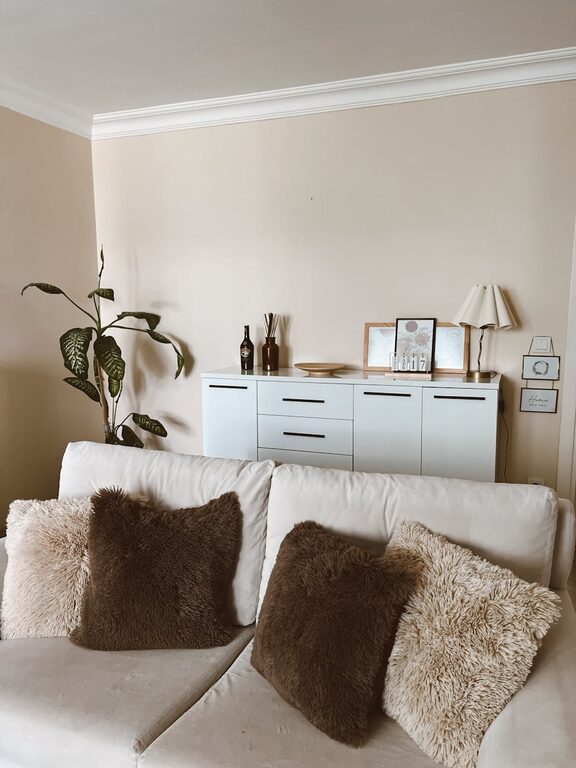
Personalising your home office with things you love can make the space more inviting. This could include plants, artwork, or photographs that make you smile. Plants are especially great for a relaxing environment—they improve air quality and bring a touch of nature indoors.
Choose colours and décor that calm your mind. Soft blues, greens, or neutral tones tend to be soothing and promote concentration.
Incorporate Calming Sounds
Background sound can influence your productivity and mood. Some people prefer silence, while others find soft music or ambient noises soothing.
Experiment with white noise machines, nature sounds, or instrumental playlists to discover what helps you relax and maintain focus. Just be mindful of volume to avoid distractions.
Maintain a Comfortable Temperature
Your home office should feel comfortable in terms of temperature. If it’s too hot or too cold, this can reduce your motivation and concentration.
Use fans, heaters, or air conditioning as needed to keep your workspace pleasant. If possible, open windows regularly to refresh the air.
Set Boundaries and Routines
A relaxing workspace isn’t just about the physical environment—it’s also about how you use it. Establish clear boundaries for work hours and breaks to avoid burnout.
Create daily routines that include time for mindfulness or simple relaxation exercises. This helps signal to your brain when to focus and when to unwind.
Keep Technology in Check
Technology is vital but can also be a source of stress. Minimise clutter by managing cords with organisers or cable clips. Ensure your devices are arranged ergonomically—monitor at eye level, keyboard and mouse positioned comfortably.
Regularly update your software and hardware to avoid frustrations with slow or malfunctioning equipment.
Take Regular Breaks
Finally, remember the importance of taking short, regular breaks. Even minutes spent stretching, walking, or doing deep breathing exercises can refresh your mind and body. Consider setting a timer to remind yourself to pause every hour.
—
Summary
Designing a relaxing home office is about blending comfort, organisation, and personal style. Focus on choosing the right location, investing in ergonomic furniture, maximising natural light, and keeping your space tidy. Add touches that inspire you, maintain a comfortable atmosphere, and create routines that promote balance.
With these tips, your home office can become a peaceful and productive haven, making your working day more enjoyable and effective.
—
If you’d like more advice on creating a balanced work-from-home lifestyle, stay tuned for upcoming posts!