
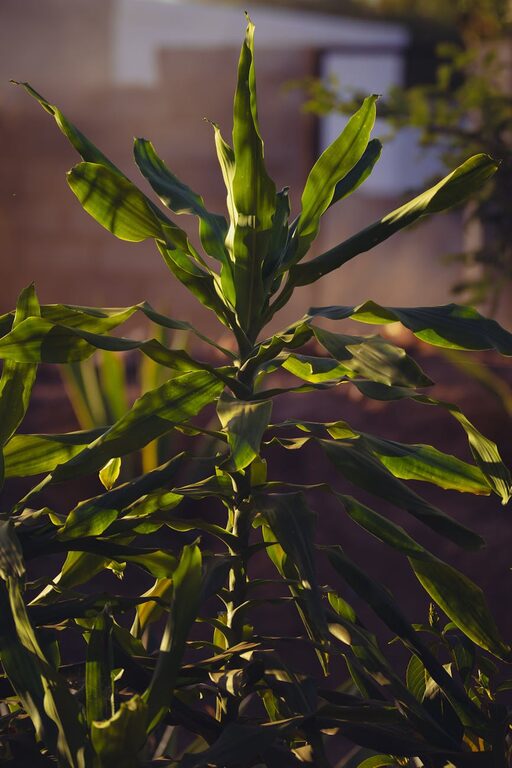
Creating a beautiful garden at home can be a rewarding experience, offering a peaceful retreat and enhancing your property’s appeal. However, maintaining a garden can sometimes feel overwhelming, especially if you have a busy lifestyle or limited gardening experience. The good news is that with some thoughtful planning and smart choices, you can enjoy a stunning garden that needs very little effort to keep it looking its best.
In this post, we’ll explore practical tips for designing a low-maintenance garden that remains attractive throughout the seasons.
1. Plan Your Garden Layout Carefully
Before you start planting, take time to plan your garden’s layout. Consider the space you have, the amount of sunlight different areas receive, and how you want to use the space. A well-organised garden reduces wasted effort and makes it easier to maintain.
– Use broad planting beds instead of many small ones to reduce edges to trim.
– Incorporate defined paths with gravel, paving, or mulch to limit weed growth and protect plants.
– Think about placing seating or feature areas where you can relax and enjoy the garden without needing to tend to every corner.
2. Choose Low-Maintenance Plants
Selecting the right plants is crucial for a low-maintenance garden. Opt for species that thrive in your climate and soil type and require little watering, pruning, or feeding.
Ideal low-maintenance plants include:
– Evergreen shrubs like boxwood and lavender that provide year-round structure.
– Perennials such as coneflowers, sedum, and ornamental grasses that return annually.
– Native plants which are adapted to local conditions and pests.
– Drought-tolerant varieties if water conservation is a priority.
Avoid plants that demand frequent watering or pruning to save time and effort.
3. Use Mulch Generously
Mulch is one of the best tools for reducing garden maintenance. It suppresses weeds, retains soil moisture, and improves soil health. Organic mulches, such as bark chips or leaf mould, also break down over time, enriching your soil.
– Apply a 5-7 cm layer around your plants.
– Refresh mulch annually to keep its benefits effective.
– Mulch helps reduce the frequency of watering and weeding.
4. Employ Efficient Irrigation Solutions
Watering can be a chore, especially during dry spells. Installing efficient irrigation systems can take the hassle out of the task and ensure your plants get just the right amount of water.
Options include:
– Drip irrigation delivers water directly to the plant roots, reducing wastage.
– Soaker hoses are simple to install and automate watering across borders.
– Rainwater harvesting systems collect natural water for sustainable garden use.
Set timers or smart controllers to water at optimal times, such as early mornings or evenings, to prevent evaporation.
5. Reduce Lawn Area or Replace It
Lawns generally require frequent mowing, feeding, and watering. Minimising lawn space in favour of hard landscaping, ground covers, or wildflower meadows can significantly cut down maintenance.
If you prefer a lawn, consider:
– Choosing slow-growing grass varieties.
– Allowing the grass to grow slightly longer to reduce mowing frequency.
– Using edging to keep grass off paths and beds.
Alternatively, ground covers such as creeping thyme or Irish moss provide green, soft surfaces without constant upkeep.
6. Incorporate Hard Landscaping Features
Adding features like patios, decks, gravel areas, or raised beds can reduce planting space, making maintenance easier and giving your garden structure.
Benefits include:
– Durable surfaces that don’t need daily care.
– Clear boundaries that reduce weed spread.
– Opportunities to add seating or decorative elements.
Use materials that complement your home and garden style for a cohesive look.
7. Regular but Minimal Maintenance Schedule
Even low-maintenance gardens need some care to stay healthy. A simple, regular schedule helps prevent problems from developing.
Try to set aside time each month for:
– Checking for pests or diseases.
– Light pruning or deadheading of plants.
– Weeding before it becomes overwhelming.
– Replenishing mulch or fertilisers if needed.
By keeping tasks manageable, your garden stays tidy and inviting with minimal stress.
8. Create Wildlife-Friendly Areas
Building habitats for local wildlife encourages a balanced garden ecosystem. Birds, bees, and beneficial insects help control pests, reducing the need for chemical treatments.
You can add:
– Bird feeders and birdbaths.
– Bee-friendly flowers and native pollinators.
– Log piles or small shelters for insects.
This natural approach supports plant health and adds interest to your garden.
Conclusion
Designing a beautiful and low-maintenance garden is all about making thoughtful choices that suit your lifestyle and environment. By planning carefully, choosing hardy plants, using mulch, efficient watering, reducing lawn areas, and incorporating features like hard landscaping, you can create a garden that looks great with little effort.
Adopt a simple maintenance routine and encourage wildlife to enjoy a thriving garden that brings you pleasure year-round without taking up all your time. With these tips, your garden will become a haven of beauty and calm, easily managed no matter your gardening experience. Happy gardening!